ALTA Survey Turnaround Time: A 2026 Guide

Table of Contents
What to Expect: ALTA Survey Turnaround Time Overview
How Long Does an ALTA Survey Take: Stage-by-Stage Breakdown
Records Research and Title Review
Fieldwork and Site Visits
Survey Drafting and Quality Review
Factors That Affect ALTA Survey Turnaround Time
Property Size and Terrain Complexity
Access Constraints and Site Conditions
Easements and Legal Description Issues
Title Documents and Data Gaps
ALTA Survey Delays: Common Causes and How to Avoid Them
ALTA Survey Checklist for Clients: Preparing for Faster Turnaround
ALTA Survey Due Diligence Timeline: Planning Backward from Closing
Expediting Your ALTA Survey Without Sacrificing Quality
Frequently Asked Questions
Last Updated: October 7, 2026
What to Expect: ALTA Survey Turnaround Time Overview
An ALTA survey turnaround time typically ranges from 4 to 12 weeks from order to final delivery, depending on project complexity and site conditions.
Understanding what drives this schedule matters because commercial real estate closings don't wait. Rushing an ALTA survey can introduce errors that cost far more to fix than the time saved.
A straightforward 5-acre commercial lot with clear title records and accessible boundaries might take 6-8 weeks.

How Long Does an ALTA Survey Take: Stage-by-Stage Breakdown
The ALTA survey process breaks into four phases, each with its own timeline, so you can identify where delays typically occur.
Records Research and Title Review
Records research is where the ALTA survey begins, and it's often underestimated. A surveyor must pull title documents, deed records, easement information, and prior surveys from county records.
The title company provides the title commitment, which lists what's on record and what gaps exist. Those gaps, missing easements, unclear boundary descriptions, or undocumented access rights, often trigger additional research, since public records aren't always complete or digitized.
A thorough records review catches problems early, when they're manageable. Rush through it, and you'll discover title issues during fieldwork or drafting, when fixing them costs time and money.
Fieldwork and Site Visits
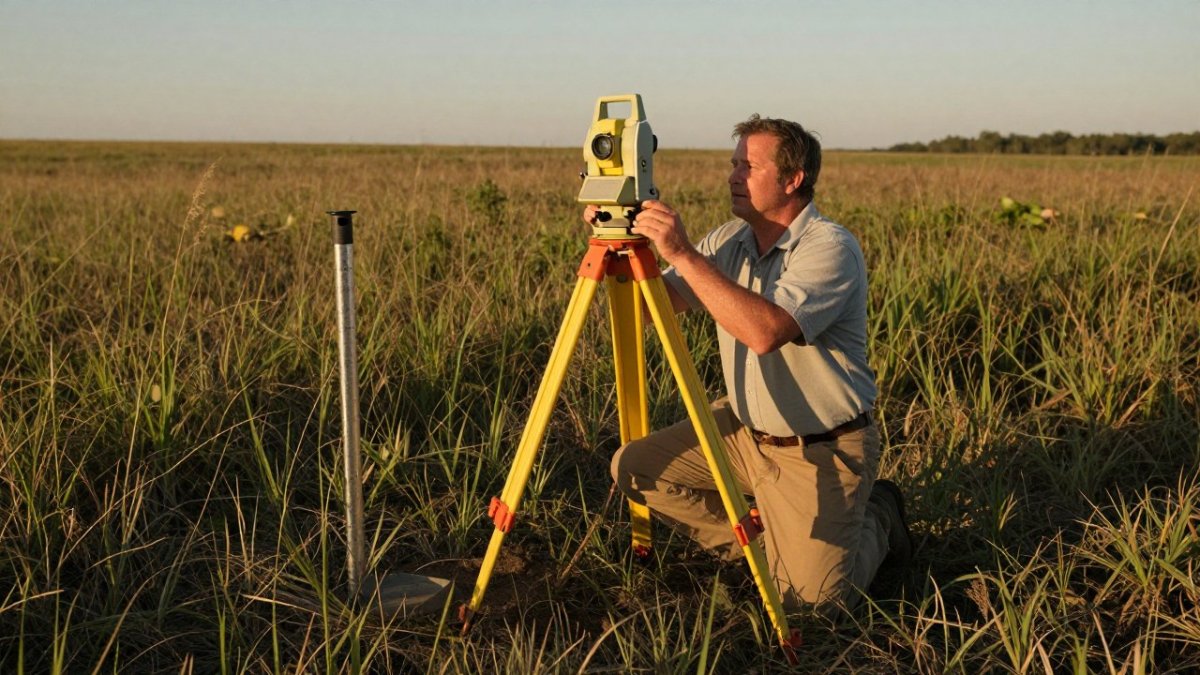
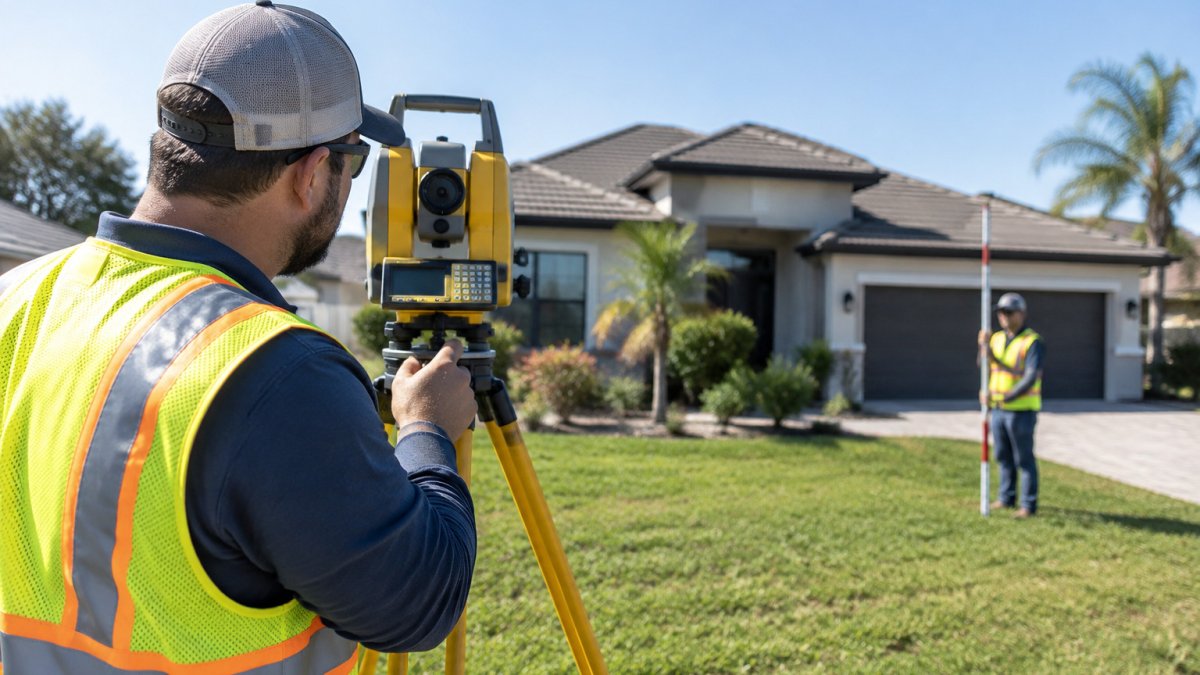
Fieldwork is the visible part of the ALTA survey, when surveyors are on-site with equipment.
Weather matters here. Rain, snow, or extreme heat can halt fieldwork entirely, so projects scheduled during hurricane season or winter months often build in buffer time because weather delays are predictable but uncontrollable.
Site access is another variable. Tenant-controlled access, underground utilities that need marking, or a neighboring property blocking part of the boundary can all add days or require multiple visits.
Survey Drafting and Quality Review
This is where most ALTA survey time actually goes, and where schedules most often slip. After fieldwork wraps, the surveyor processes field data, drafts the survey map, and prepares all required documents, typically 2-4 weeks for a standard property.
The drafting process isn't quick. The surveyor must:
Process and verify field measurements
Research and incorporate easement information
Prepare the legal description or verify the existing one
Draft the survey map to ALTA/NSPS standards
Compile Table A items (lender requirements)
Prepare the certification and supporting documents
Quality review comes next: a second surveyor or senior reviewer checks the work against ALTA/NSPS standards, verifies measurements, and catches errors before delivery. This takes 3-5 business days, and corrections add another week if issues are found.
Client revisions extend this phase further. Once you receive the draft, changes, boundary clarifications, or additional markings each add 3-5 business days.
Factors That Affect ALTA Survey Turnaround Time
Several variables push ALTA survey timelines in either direction, and understanding them helps you plan realistically.
Property Size and Terrain Complexity
Larger properties take longer to survey. A 2-acre commercial lot takes less time than a 50-acre development site, the relationship isn't linear, but it's significant, since covering more ground means more fieldwork time.
Terrain complexity is its own factor. A flat, open urban lot is straightforward, while steep slopes, dense forest, or mixed topography require more detailed work.
Heavily developed properties also extend timelines: multiple buildings, parking structures, and underground utilities require more coordination and careful measurement, while a vacant lot with clear boundaries moves faster.
Access Constraints and Site Conditions
A property you can't easily access takes longer to survey. Sites surrounded by other buildings, fenced, or occupied by tenants require multiple visits coordinated with property managers or tenants, and each visit adds days to the timeline.
Environmental conditions matter too. Wet ground, dense vegetation, or hazards slow fieldwork, a surveyor can't measure accurately through thick brush, and muddy conditions can make the site impassable.
Utility markups are another access factor. Underground utilities must be marked before fieldwork to prevent damage, and scheduling the locating service and fieldwork around it adds 1-2 weeks.
Easements and Legal Description Issues
Easements complicate ALTA surveys because they must be researched, located, and documented. Multiple utility, drainage, or access easements require additional research and fieldwork, and each one adds time if it isn't clearly marked on the ground.
Legal description issues must be resolved before the survey is final.
Boundary disputes or uncertainty also extend timelines. Conflicting claims or prior surveys showing different boundary lines must be investigated and documented, which may require communication with neighbors or their surveyors.
Title Documents and Data Gaps
Missing or incomplete title documents delay records research. If a deed is missing, illegible, or not yet digitized, the surveyor must track it down manually, visiting the county recorder's office, contacting previous owners, or requesting copies from title companies.
Data gaps in public records are common, especially for older or rural properties.
Conflicting information in title documents also creates delays. If one deed describes a boundary differently than another, the surveyor must investigate which is correct through historical research, field investigation, or legal consultation.
ALTA Survey Delays: Common Causes and How to Avoid Them
Delays happen, but many are preventable. Knowing the most common causes helps you plan around them.
The most frequent delay is incomplete or inaccurate title information, a late title commitment or gaps requiring extra research.
Weather is the second most common culprit, especially during storm season or winter.
Access issues rank third.
Title company delays also affect timelines if their review requests changes or additional documentation. Establish communication early and clarify what they'll need so there are no surprises.
Client-side delays often go unrecognized.
ALTA Survey Checklist for Clients: Preparing for Faster Turnaround
You can't control everything, but you can control your side of the process. Here's what to do to keep things moving.
Before ordering:
Obtain the title commitment from your title company and provide it to the surveyor
Confirm property access, who has keys, what are the hours, are there restrictions?
Identify any known easements, utilities, or boundary issues
Determine your closing date and communicate it clearly to the surveyor
Clarify what the survey will be used for (lender requirements, development planning, title insurance)
During fieldwork:
Ensure the property is accessible on the scheduled dates
Provide contact information for tenants, property managers, or security if needed
Inform the surveyor of any hazards, restricted areas, or special conditions
Be available to answer questions about the property's history or use
During drafting:
Respond promptly to surveyor requests for information or clarification
Review drafts carefully and provide feedback within 3-5 business days
Avoid requesting major revisions after the draft is complete, this adds 1-2 weeks
Coordinate with your title company on any questions about easements or legal descriptions
Before closing:
Request the final survey at least 2 weeks before closing
Provide the survey to your lender and title company immediately
Flag any issues or questions so they can be resolved before closing
ALTA Survey Due Diligence Timeline: Planning Backward from Closing
If you have a closing date, work backward to determine when to order the survey and avoid last-minute scrambling.
A typical timeline looks like this:
12 weeks before closing: Order the survey. This gives you a comfortable buffer for a standard 8-10 week turnaround plus time for revisions and lender review.
10 weeks before closing: Fieldwork should be complete or nearly complete.
6-8 weeks before closing: Expect the draft survey.
4-5 weeks before closing: Final survey should be delivered. Provide it to your lender and title company immediately.
2-3 weeks before closing: Lender and title company review is complete, and any final questions are resolved.
1 week before closing: All parties have signed off on the survey, and it's incorporated into the closing documents.
This assumes a standard turnaround. For complex properties, add 2-4 weeks to the start date.
Expediting Your ALTA Survey Without Sacrificing Quality
Sometimes timelines compress, a deal closes faster than expected, or lender requirements arrive late.
Provide complete information upfront. Get the title commitment to your surveyor before fieldwork begins.
Confirm access immediately. If the property requires coordination with tenants or property managers, handle that before the survey order is placed.
Prioritize fieldwork scheduling. Tell your surveyor the closing date is firm and fieldwork needs a specific window.
Simplify the review process. Designate one person to review drafts and provide feedback.
Understand what "expedited" actually means. Most surveyors can't compress fieldwork, but they can prioritize drafting and review and reduce revision cycles.
At CDB Surveying, we've guided commercial developers and property owners through hundreds of ALTA surveys, and the projects that close on time are the ones where the client planned backward from the closing date and communicated clearly about deadlines and requirements. If you're facing a commercial transaction and need an ALTA survey, contact CDB Surveying for a consultation and we'll give you a realistic timeline based on your specific property and closing date.
Frequently Asked Questions
How long does an ALTA survey typically take from order to delivery?
Most ALTA surveys take 2-4 weeks from order to final delivery, depending on property size, terrain complexity, and how quickly you provide supporting documents. Simple, flat properties with clear title records may finish in 10-14 days. Complex sites with easements, access constraints, or incomplete public records can extend to 4-6 weeks. Start the process as soon as you know your closing date to build in a buffer for revisions or unforeseen delays.
What can delay delivery of a final ALTA survey?
Common delays include incomplete or conflicting title documents, difficult site access due to weather or property conditions, missing easement information, and discrepancies between legal descriptions and actual boundary markers. Public records research can also take longer in counties with outdated or fragmented filing systems. Providing complete title commitments, access agreements, and accurate property information upfront reduces delay risk significantly.
Can an ALTA survey be completed faster if a closing deadline is approaching?
Yes, expedited service is possible, but quality cannot be compromised. Surveyors can prioritize fieldwork and drafting if you provide all required documents immediately and grant clear site access. However, rushing through records research or quality review introduces risk of errors or missed Table A items. Plan for at least 10-14 days even with expedited service, and communicate your deadline early so the surveyor can schedule accordingly.
What information should I provide to avoid delays in an ALTA survey?
Provide the title commitment, existing deed, legal description, and any known easements or encroachments before fieldwork begins. Confirm site access and notify the property occupant if needed. Give accurate contact information for coordination. If you have old surveys or boundary markers, share those details. The more complete your upfront information, the faster the surveyor can move through records research and fieldwork without return visits.
How long is an ALTA survey good for?
An ALTA/NSPS survey itself does not expire, but title insurance companies and lenders may require an updated survey if significant time passes between the survey date and closing, or if property changes occur. Most lenders accept surveys completed within 6-12 months of closing. If your survey is older than that, or if the property has been modified, you may need a new one or an update affidavit from the surveyor.
How do I plan an ALTA survey timeline for a commercial real estate transaction?
Work backward from your closing date: subtract 2-4 weeks for survey delivery, then add 1-2 weeks for title company and lender review. Order the survey as soon as your purchase agreement is signed and you have access to title documents. Provide all required information immediately to avoid re-dos. If your closing is within 6 weeks, notify the surveyor right away so they can schedule fieldwork and drafting around your deadline.
What happens if the surveyor finds discrepancies during an ALTA survey?
If boundary markers, easements, or legal descriptions do not match, the surveyor documents the discrepancy and may recommend a return visit or additional research. This extends the timeline by 3-7 days. Title companies and lenders review these findings carefully, as they affect title insurance and closing risk. Discrepancies can sometimes delay closing if they require legal resolution, so flagging them early, not at the last minute, gives everyone time to work through solutions.
Request a quote
Comments